Hydrazine Dangers: Discovering Alarming Toxicity Levels
Hydrazine dangers are a subject of growing concern among experts and environmentalists. This chemical compound, often used in industrial processes, has alarming toxicity levels that can pose serious health risks to humans and wildlife. In this article, we will explore the properties of hydrazine, its common uses, the associated risks, and the steps necessary to protect individuals and communities from its harmful effects.
Understanding Hydrazine and Its Uses
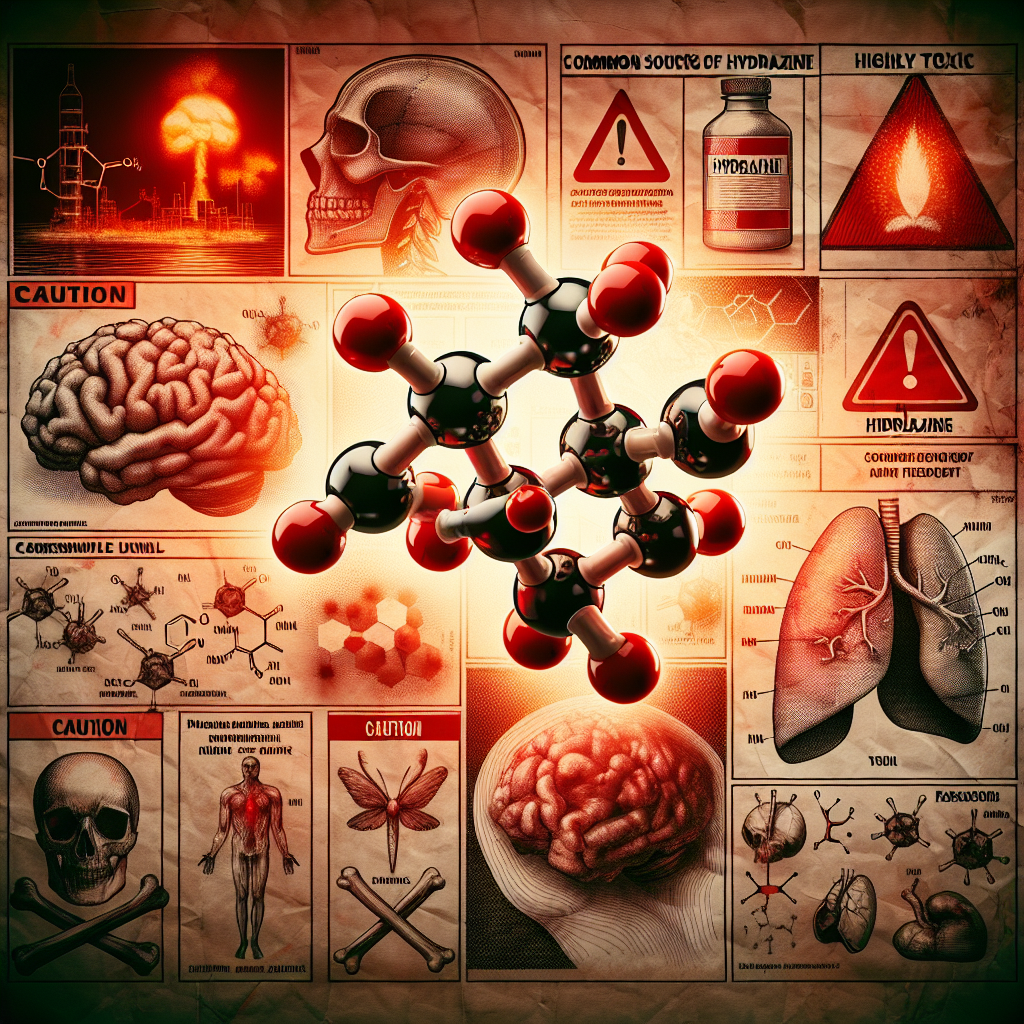
Hydrazine is a highly reactive, colorless liquid with a sharp, ammonia-like odor. It is often used in various industrial applications, including as a rocket fuel, a precursor to blowing agents in plastics, and a corrosion inhibitor in boiler water treatment. Understanding the widespread use of hydrazine helps highlight the potential exposure risks associated with this compound.
Common Applications
1. Aerospace and Defense: Hydrazine is a crucial component in rocket propellants and military applications, where its high energy release efficiency makes it indispensable.
2. Chemical Manufacturing: It is used in producing pharmaceuticals, agricultural chemicals, and as an intermediate in polymer industries.
3. Water Treatment: In power plants, hydrazine prevents corrosion in pipes and boilers, extending the lifespan of equipment.
Despite its widespread utility, the potential exposure to hydrazine poses significant health risks due to its toxic nature.
The Toxicity of Hydrazine
The alarming toxicity levels of hydrazine make it a substance that requires careful handling. Prolonged exposure can cause serious health issues, both acute and chronic.
Acute Health Effects
Short-term exposure to hydrazine, even at low concentrations, can result in:
– Respiratory Distress: Inhalation may cause coughing, shortness of breath, and pulmonary edema.
– Skin and Eye Irritation: Direct contact with hydrazine can lead to burns, rashes, and severe irritation.
– Central Nervous System Effects: Symptoms such as dizziness, nausea, and headaches can occur upon exposure.
Chronic Health Effects
Long-term exposure to hydrazine presents more severe health risks:
– Carcinogenic Risks: Studies indicate that hydrazine is a potential human carcinogen, increasing the risk of developing cancer with prolonged exposure.
– Liver and Kidney Damage: Chronic exposure can lead to hepatic and renal impairments due to the toxic buildup in these organs.
– Neurological Disorders: Risk of neurological issues grows with continuous exposure, potentially leading to problems in mental functioning and coordination.
These health risks underscore the importance of strict regulations and protective measures when working with hydrazine.
Environmental Impact and Safety Concerns
The environmental impact of hydrazine is another cause for concern. It is highly toxic to aquatic life, and its release into water bodies can result in long-term ecological damage.
Aquatic Toxicity
Hydrazine is lethal to fish and other aquatic organisms even in small amounts. Once introduced into a water system, it can disrupt ecosystems and affect the biodiversity of affected areas.
Soil and Air Contamination
– Soil Exposure: Spills or leaks can lead to soil contamination, affecting plant life and entering the food chain.
– Airborne Risks: The volatile nature of hydrazine poses a threat as it can evaporate, leading to pollution and respiratory hazards.
Given its persistence in the environment and the potential for bioaccumulation, stringent safety protocols must be enforced to minimize ecological disruptions.
Protecting Against Hydrazine Hazards
Proper safety measures are crucial to minimizing the risks associated with hydrazine dangers. These precautions involve both preventive strategies and emergency response plans.
Workplace Safety
Industries utilizing hydrazine must adhere to strict safety protocols:
– Personal Protective Equipment (PPE): Workers should be equipped with appropriate PPE, including gloves, masks, and protective eyewear.
– Ventilation Systems: Proper fume hoods and ventilation systems are essential to prevent inhalation of vapors.
– Regular Training: Continuous training sessions on handling procedures and emergency response plans can significantly reduce risks.
Regulatory Compliance
Government regulations play a crucial role in controlling hydrazine exposure levels:
– Monitoring Programs: Regular monitoring and evaluation of air and water quality near industrial sites help ensure safety.
– Limitations on Emission: Establishing maximum allowable concentration levels for hydrazine emissions can protect people and wildlife.
– Public Awareness: Educating communities near industrial facilities about the risks and safety measures associated with hydrazine can empower residents to take necessary precautions.
Conclusion
The dangers of hydrazine are a pressing concern that demands attention from both industry leaders and public officials. By understanding its toxicity and implementing rigorous safety protocols, we can mitigate the risks and protect both human health and the environment. As industries advance and reliance on chemical compounds grows, proactive measures and informed decision-making are vital to ensuring safety.
For readers concerned about their health or community impacts from potential chemical exposures, including issues related to ALS and Real Water, it’s crucial to seek advice and stay informed. Visit our contact page at “/contact” to reach out, explore more informative content on our blog at “/blog”, or call us directly at “702-385-6000”. Your safety and well-being are our priority.