Liquid Death PFAS Scandal: Shocking Contamination Exposed
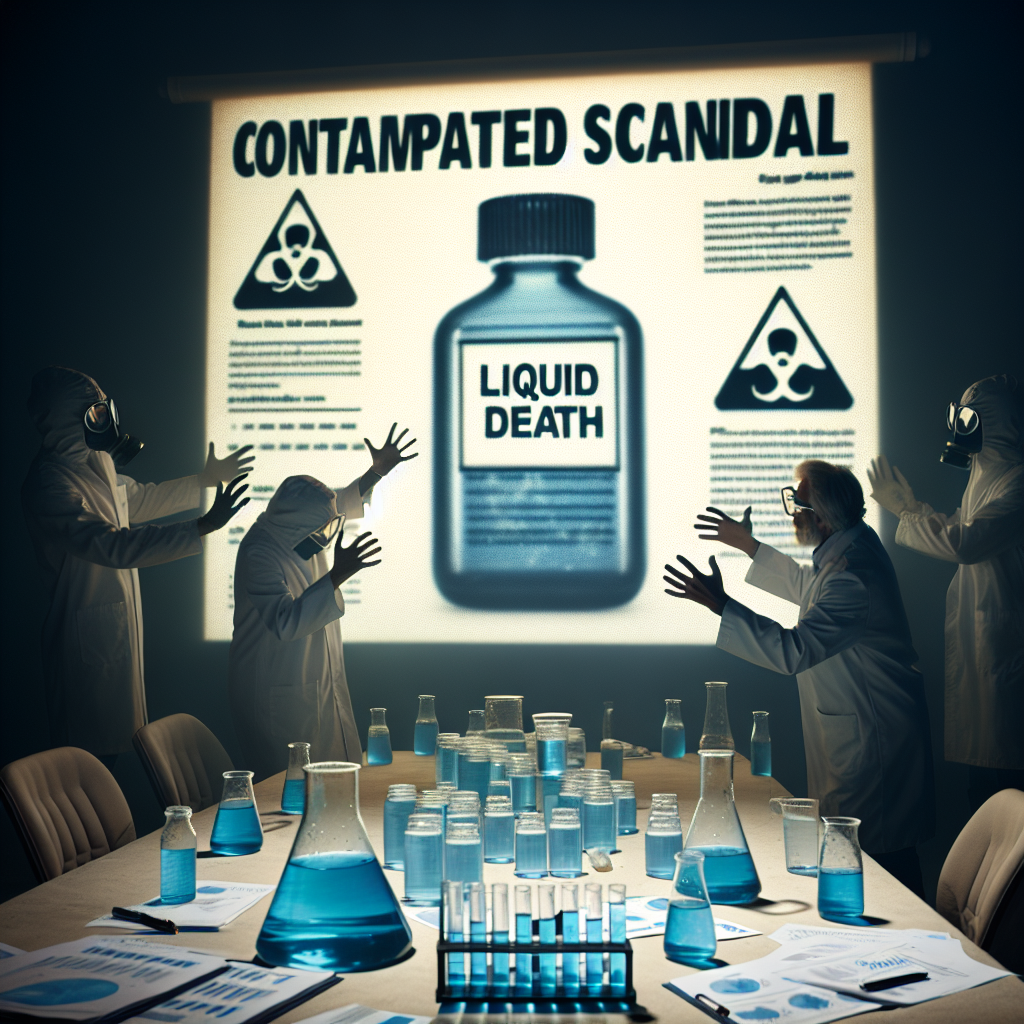
Liquid Death PFAS contamination has recently surfaced as an alarming issue affecting consumers and the beverage industry. This unexpected news shocked fans of the popular canned water brand known for its edgy marketing and sustainable practices. While many companies strive to ensure purity and safety in their products, this case highlights the importance of thorough testing and transparency in food and beverage production.
Understanding PFAS: What Are They?
Per- and polyfluoroalkyl substances (PFAS) are synthetic chemicals used in various industrial applications due to their resistance to heat, water, and oil. Known as “forever chemicals,” these compounds are persistent in the environment and human body, potentially leading to health concerns. PFAS have been linked to cancer, liver damage, fertility issues, and developmental problems in children. Their prevalence in everyday products raises concerns about long-term exposure, making the news of their presence in a trusted beverage especially troubling.
The Liquid Death Canned Water Contamination
Consumers enjoyed and trusted Liquid Death for its bold branding and environmentally friendly packaging. However, recent reports revealed the presence of PFAS in their canned water. This discovery sent shockwaves through the community of health-conscious consumers who relied on Liquid Death for a clean and refreshing alternative to sugary drinks.
Investigating the Contamination
– Source Identification: The investigation into the PFAS contamination focused on identifying the points where these chemicals entered the production process.
– Testing and Validation: Independent laboratories conducted rigorous tests, confirming the presence of PFAS in the canned water. These results raised questions about the efficacy of existing quality control protocols.
– Response from Liquid Death: The company responded to the findings by launching its own investigation, addressing potential sources of contamination, and ensuring future product safety.
The Impact on Consumers and the Industry
Health Implications
For consumers, the news concerning Liquid Death raises serious questions about the potential health impacts of consuming PFAS-laden water. Although more research is needed to fully understand the risks associated with low-level exposure, the mere presence of these chemicals in a beverage intended for human consumption is cause for concern.
Industry-Wide Consequences
The scandal underscores the necessity for robust safety standards across the bottled water industry. Other companies are now under increased scrutiny, with consumers demanding greater transparency and stricter safety measures. This situation calls for industry leaders to reevaluate and reinforce their quality control systems to prevent such occurrences in the future.
Ensuring Product Safety: Steps and Measures
Implementing Rigorous Testing
– Companies should conduct comprehensive testing for PFAS and other contaminants at multiple stages of production.
– Partnering with independent laboratories ensures unbiased and accurate results, bolstering consumer trust.
Strengthening Regulatory Frameworks
– Authorities must revise existing regulations to include stricter safety standards for detecting and controlling PFAS in bottled beverages.
– Collaboration between regulators and manufacturers can lead to the development of best practices that prioritize public health.
Moving Forward: Building Consumer Trust
Restoring consumer confidence involves more than simply addressing the immediate issue. Companies must adopt proactive strategies to reassure their customers.
– Transparent Communication: Keeping consumers informed through open and honest communication builds trust. Providing detailed accounts of the steps taken to rectify contamination issues can ease public concerns.
– Sustainability and Safety: While environmental sustainability remains vital, ensuring the safety of products is equally important. Companies should emphasize both aspects in their marketing and operational strategies.
Conclusion
The Liquid Death PFAS scandal serves as a stark reminder of the importance of vigilance and responsibility in the food and beverage industry. As consumers become more aware of potential hazards, companies must rise to the occasion by implementing stringent safety measures and fostering transparency.
For those affected by this issue, support and information are available. Reach out about your ALS and Real Water case through the alsrealwaternv.com website’s contact page. Explore more related content on the alsrealwaternv.com website’s blog page. If you need immediate assistance, call 702-385-6000.
References
– What Are PFAS?
– PFAS in Drinking Water
– The Impact of PFAS on Health and Environment
– Understanding PFAS Contamination