Poland Spring Natural Water: Shocking Microplastics Contamination Lawsuit
Poland Spring natural water has long been a household name, synonymous with purity and refreshment. However, recent allegations of microplastics contamination have put the brand in the spotlight for all the wrong reasons. This has led to a groundbreaking lawsuit, drawing attention from environmentalists, consumers, and legal experts worldwide. This case has unveiled serious concerns about environmental safety, consumer rights, and corporate accountability.
Understanding the Lawsuit
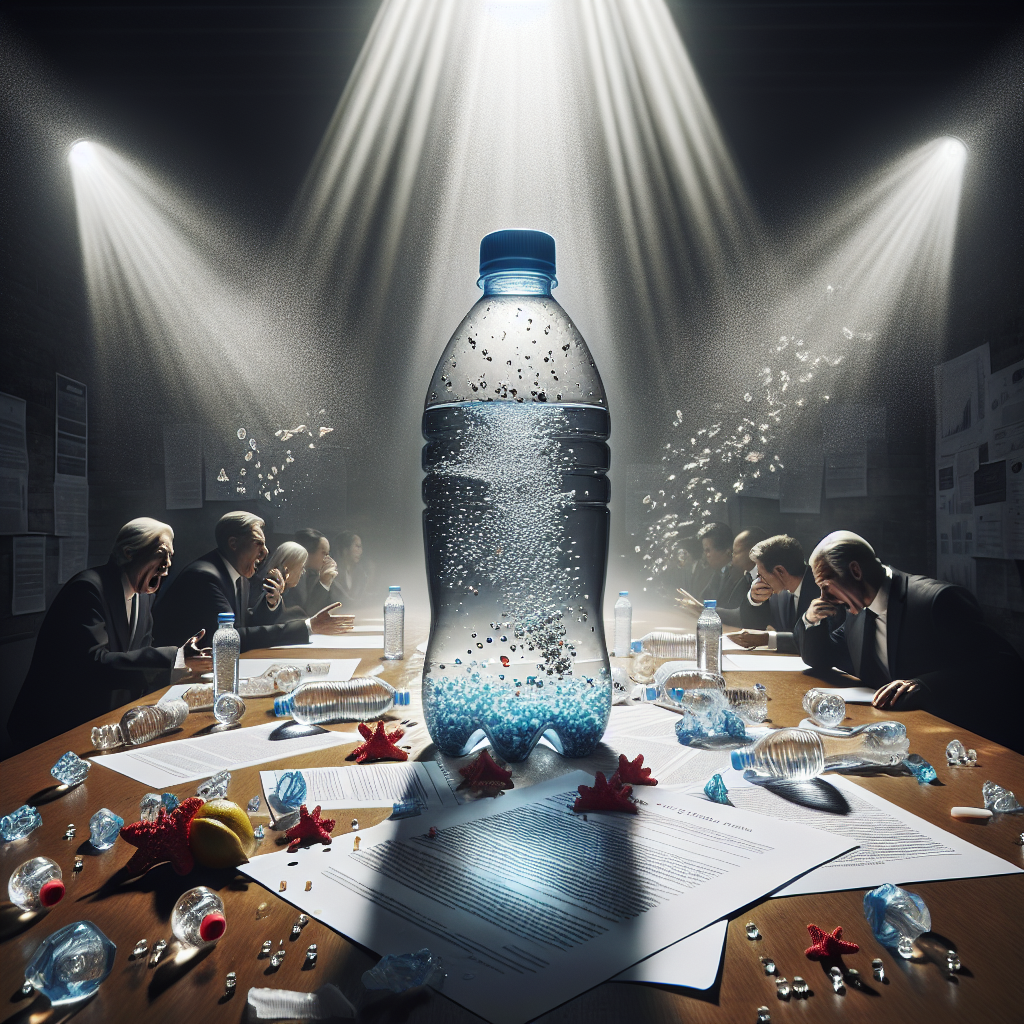
The lawsuit alleges that Poland Spring natural water contains microplastics, challenging the brand’s reputation for purity. Microplastics, tiny plastic particles less than five millimeters in size, have been found in various water sources and are known to pose risks to both health and the environment.
The Impact of Microplastics
Microplastics are not just a visual annoyance; they are a significant environmental threat. They originate from various sources such as plastic waste, personal care products, and even synthetic clothing. These particles are almost impossible to filter out and have been found in oceans, rivers, and now, allegedly, in bottled water.
Potential Health Risks
– Microplastics can absorb toxins from the environment and potentially release them into the human body.
– They have been linked to various health concerns, including hormonal disruptions and increased cancer risks.
– Children and pregnant women could be particularly vulnerable to these risks.
Environmental Consequences
– Microplastics contribute to ocean pollution, harming marine life by entering the food chain and causing physical damage to organisms.
– They degrade slowly, persisting in the environment and accumulating over time.
The Legal Implications
The lawsuit against Poland Spring centers on claims of false advertising and consumer deception. Plaintiffs argue that the company’s marketing of its natural water as uncontaminated and pristine is misleading. The case raises significant legal questions concerning:
– Consumer Protection Laws: Ensuring that customers receive products as advertised without hidden contaminants.
– Environmental Responsibility: Holding companies accountable for their environmental impact and the integrity of their sourcing practices.
Poland Spring’s Response
Poland Spring has denied allegations of wrongdoing, asserting that its products meet rigorous safety standards. The brand insists on its commitment to transparency and quality, emphasizing that its water goes through extensive purification processes. However, the lawsuit continues to generate widespread debate and scrutiny.
Industry Standards and Best Practices
This case highlights the importance of industry standards and best practices. Companies can take proactive steps to ensure product safety and maintain consumer trust:
– Regular Testing: Establishing routine checks for contaminants, including microplastics, can help identify and address potential issues early.
– Supply Chain Transparency: Providing clear information about sourcing and processing helps build trust with consumers.
– Innovation in Filtration: Investing in advanced filtration technologies can improve product purity and quality assurance.
The Role of Consumers and Advocacy
Consumer advocacy plays a critical role in bringing issues like microplastic contamination to light. By voicing concerns and demanding accountability, consumers can drive change and promote more sustainable practices.
How Consumers Can Make a Difference
– Stay Informed: Awareness of environmental issues and product contents helps make informed purchasing decisions.
– Support Sustainable Brands: Choose brands with a proven commitment to environmental stewardship and transparency.
– Advocate for Change: Engaging in and supporting environmental advocacy initiatives can help influence industry standards and policies.
Conclusion
The Poland Spring natural water microplastics lawsuit serves as a wakeup call for companies, consumers, and policymakers alike. It underscores the urgent need for thorough testing, corporate responsibility, and informed consumer choice.
Ensuring the safety and purity of bottled water isn’t just about compliance with current regulations; it’s about safeguarding public health and protecting our environment for future generations. As this case unfolds, it will likely inspire more stringent oversight and potentially establish new precedents in consumer rights and environmental protection.
Call to Action
If you have concerns or want to inquire further about the ongoing Poland Spring lawsuit, reach out here. For more insightful articles on similar topics, explore our blog. If immediate assistance is needed, you can call us at 702-385-6000.
References
– Understanding Microplastics
– Health Risks of Microplastics
– Poland Spring Purity Claims Scrutinized
– Consumer Rights and Environmental Responsibility