Recalled Water: Understanding Consumer Warnings and Preventing Costly Health Risks
Recalled water can pose significant health risks, making consumer warnings crucial for safeguarding public well-being. The recall of consumable products, especially essential ones like drinking water, is an alarming event that necessitates immediate attention and action. Understanding the process, reasons, and implications of water recalls can help individuals and families protect their health and avoid potentially severe consequences.
What Does a Water Recall Entail?
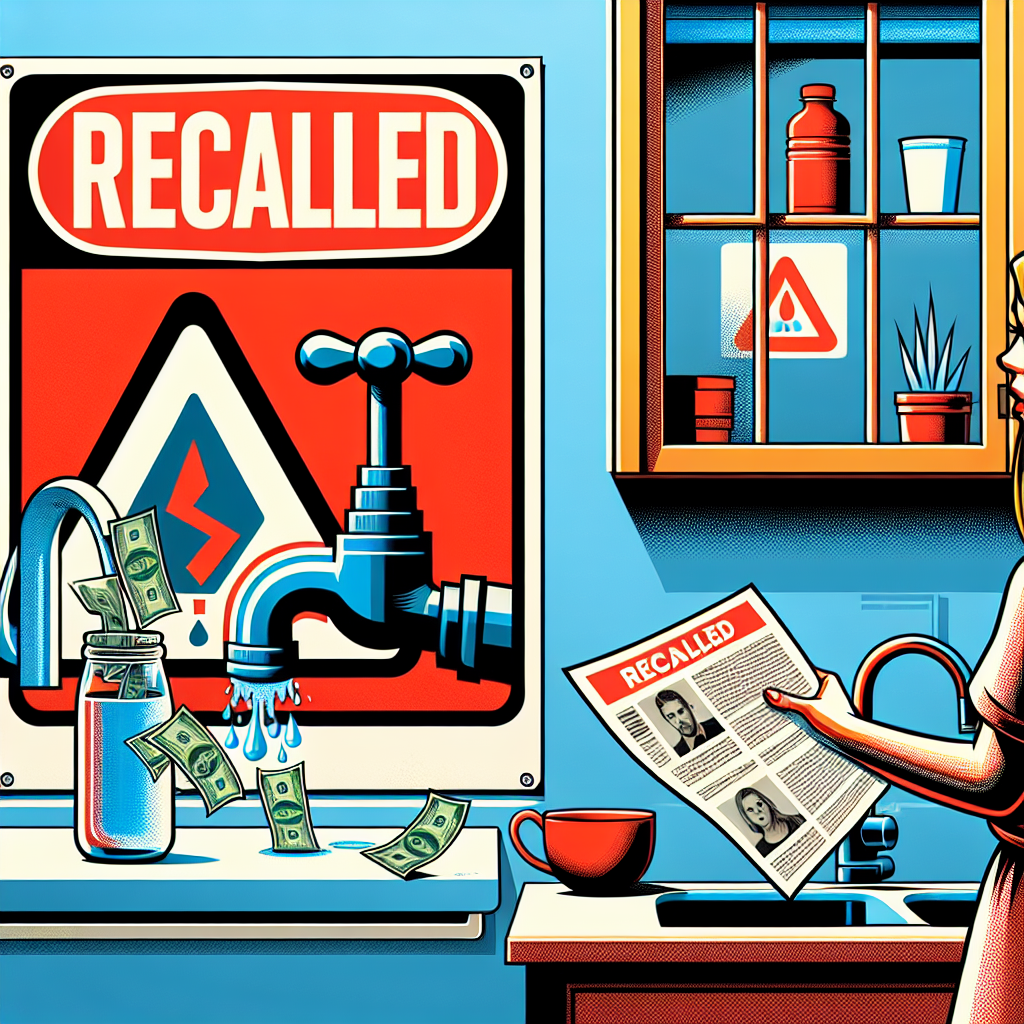
A water recall typically involves the removal of certain bottled water products from the market due to safety concerns. Such concerns can stem from contamination, manufacturing defects, or other issues that may cause adverse health effects. Government agencies like the Food and Drug Administration (FDA) or the Environmental Protection Agency (EPA) oversee the recall process, ensuring that affected products are identified, publicized, and withdrawn from distribution.
Common Causes for Water Recalls
Several factors can lead to water recalls. Contamination is among the most common causes, often involving bacteria, heavy metals, or other harmful substances. For instance, the presence of pathogens such as E. coli or Legionella can render water unsafe for consumption. Chemical contamination, including pesticide residues or industrial chemicals, also poses significant health risks.
Contamination isn’t the only trigger for recalls. Packaging and labeling errors, such as incorrect expiration dates or misleading health claims, can also prompt recalls to protect consumers. Manufacturing mishaps, including unintentional inclusion of foreign objects, further highlight the necessity for rigorous quality control.
Recognizing Consumer Warnings
Consumer warnings are crucial to the recall process, ensuring that people are aware of potential hazards and necessary actions. These warnings are communicated through various channels, including news releases, retail notifications, and government websites.
How to Stay Informed
1. Monitoring Government Alerts: Regularly check updates from agencies like the FDA and EPA. These bodies release information on current recalls and guidelines for dealing with affected products.
2. Retailer Notifications: Stores often display recall notices for consumers. Pay attention to these signs and verify your purchases against the listed products.
3. Digital Platforms: Social media and government websites offer timely alerts. Consider subscribing to email notifications or mobile alerts to receive real-time updates.
Health Implications of Consuming Recalled Water
The potential health impacts of consuming contaminated or recalled water can be severe and varied. Symptoms depend on the type and level of contamination, but common issues include gastrointestinal distress, neurological effects, and long-term health conditions.
Immediate and Long-Term Effects
1. Acute Symptoms: These may include nausea, vomiting, diarrhea, fever, and abdominal pain. Individuals with weakened immune systems, such as children, the elderly, or those with pre-existing health conditions, are particularly vulnerable.
2. Chronic Health Issues: Exposure to heavy metals or carcinogenic chemicals can lead to serious long-term health concerns, including kidney damage, developmental issues in children, and increased cancer risk.
Prompt medical attention is advisable if you suspect exposure to hazardous water. Health professionals can provide diagnoses and treatments that mitigate risks and address symptoms effectively.
Preventing Exposure and Ensuring Safety
While recalls highlight problems that have already occurred, there are steps consumers can take to minimize risks proactively. Awareness and vigilance are key to ensuring personal and family safety.
Proactive Measures for Consumers
1. Research Brands and Sources: Investigate the brands you frequently purchase. Opt for those with strong safety records and transparent practices.
2. Home Treatments: Consider investing in water filtration systems that can remove contaminants like bacteria and chemicals. Regularly maintain and replace filters as needed.
3. Store Water Correctly: Ensure proper storage conditions to prevent contamination. Store water in a cool, dark place away from strong odors and chemicals.
4. Regularly Check for Recalls: Make it a habit to verify current recall lists, ensuring none of your purchased products are affected.
Responding to Recalls Efficiently
When a recall is announced, quick and appropriate action can make a substantial difference in preventing health risks. Understanding the necessary steps can help you manage the situation efficiently.
Effective Steps to Take
1. Identify and Quarantine Affected Products: Check your home inventory against recall lists. If you possess any of the recalled items, immediately set them aside to prevent consumption.
2. Follow Disposal Instructions: Adhere to the recall guidelines for safe disposal. Some recalls may require returning products to the retailer, while others entail specific disposal methods to prevent environmental harm.
3. Seek Refunds or Replacements: Many companies offer refunds or replacements for recalled products. Contact the manufacturer or retailer for compensation details.
Legal and Advocacy Options
In some cases, those affected by recalled water may seek legal action, especially if they have suffered health consequences. Consult with legal professionals who specialize in product liability to explore available options.
Conclusion
Recognizing and responding to recalled water warnings is essential for mitigating health risks and ensuring consumer safety. The complex nature of water contamination and recalls requires comprehensive awareness and proactive measures from both individuals and communities. By staying informed and taking preventive steps, consumers can significantly reduce their exposure to hazardous products and protect their health effectively.
For those affected or seeking more information, don’t hesitate to reach out by visiting our contact page at “/contact”. Explore more insights by reading articles on our blog at “/blog”, or call us directly at 702-385-6000 for assistance regarding your ALS and Real Water case.