Hydrazine Contamination: A Critical Bottled Water Alert
Hydrazine contamination has emerged as a pressing concern within the bottled water industry, alarming many consumers who rely on packaged water for daily hydration. Understanding the gravity of this issue is essential, especially when our health and well-being hinge on something as vital as water. This article delves into what hydrazine is, the potential risks it poses, how contamination occurs, and what steps can be taken to ensure safety.
What is Hydrazine?
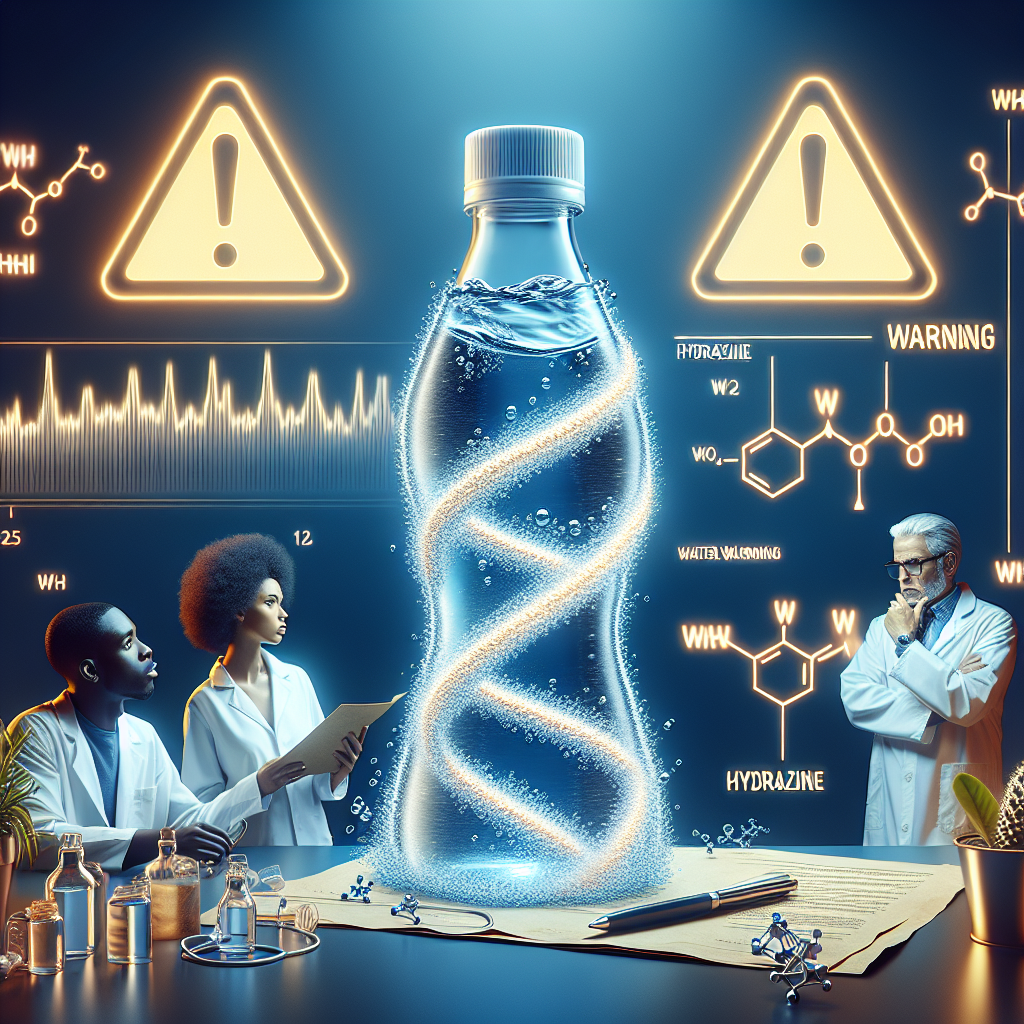
Hydrazine is a highly reactive and volatile compound, commonly employed in industrial applications such as pharmaceuticals, agriculture, and even rocket fuel. Despite its utility, hydrazine is notoriously toxic and can pose serious health threats if ingested. This makes its presence in drinking water particularly alarming.
Health Risks Associated with Hydrazine Contamination
The potential health repercussions of hydrazine exposure are significant. Short-term effects can include irritation of the eyes, nose, and throat, while prolonged exposure can lead to far more severe consequences such as liver, kidney, and central nervous system damage. In certain cases, hydrazine is also a suspected carcinogen, adding an even greater layer of urgency to address any contamination in drinking water.
How Does Hydrazine Manage to Enter Bottled Water?
Understanding the pathways through which hydrazine finds its way into bottled water is key to preventing contamination. Unlike natural sources of water, bottled water can be affected through several unique avenues:
1. Production Process
During production, water can be contaminated if it comes into contact with industrial equipment that uses hydrazine. This is particularly plausible if proper maintenance and sanitation protocols are not enforced, allowing hydrazine residues to mix with the water supply.
2. Transportation and Storage
Even if contamination does not occur during production, hydrazine can still infiltrate bottled water during transportation and storage. Chemical reactions with packaging materials, especially if they are damaged or compromised, can allow hydrazine to leach into the water.
3. Environmental Exposure
In rare cases, natural water sources already contain low levels of hydrazine due to environmental pollution. If such water sources are tapped for bottling without thorough purification processes, the contamination could persist into the final product.
Testing and Identification of Hydrazine
With the risk factors identified, the next step is determining how to test and identify hydrazine in bottled water accurately. Rigorous testing methods are crucial for this purpose:
Advanced Testing Techniques
Modern laboratories employ specialized testing methods such as gas chromatography and mass spectrometry to detect trace levels of hydrazine in water. These techniques, though highly effective, require substantial expertise and resources, which can limit their accessibility for smaller bottling companies.
Routine Inspections
For companies, establishing routine inspections and quality assurance processes is vital. Regular monitoring using sensitive detection equipment can help catch contamination early before products reach consumers.
Regulatory Measures and Safety Standards
Given the potential danger of hydrazine contamination, various agencies worldwide have established stringent safety standards for bottled water.
International Standards
The World Health Organization (WHO) and the Environmental Protection Agency (EPA) have set maximum allowable concentrations for hydrazine in drinking water as near-zero as possible, without hampering technological feasibility. Adhering to these standards is essential for bottlers seeking to maintain consumer trust and ensure public safety.
Compliance and Certification
Bottled water companies that prioritize compliance with safety standards can acquire certifications from recognized bodies. These certifications serve as assurances of quality and safety to consumers, indicating that rigorous testing and monitoring protocols are in place.
Steps Consumers Can Take to Ensure Safety
While industry compliance is critical, consumers can also take steps to protect themselves:
1. Research and Choose Reputable Brands
Choosing bottled water from brands known for quality control and transparency can make a significant difference. Looking for certifications and consumer reviews can also provide insights into a brand’s reliability.
2. Awareness and Education
Staying informed about potential contamination issues by following updates from health organizations or news outlets ensures that consumers remain vigilant and proactive about their choices.
3. Advocate for Accountability
Consumers have the power to influence industry practices by advocating for stricter regulations and accountability from manufacturers. Voice concerns, support initiatives for cleaner water, and hold companies responsible when standards are not met.
Conclusion
Hydrazine contamination in bottled water is a concerning issue that calls for immediate attention from both the industry and consumers. Understanding its risks, causes, and prevention strategies is vital for ensuring safe and healthy hydration for all.
If you have concerns about hydrazine contamination or other related issues, please don’t hesitate to reach out by visiting our contact page at “/contact”;), explore more informative articles on our blog, or call us directly at 702-385-6000. Your health and safety remain our top priority.