Water Bodies Wetlands: Shocking ALS Hotspots Revealed
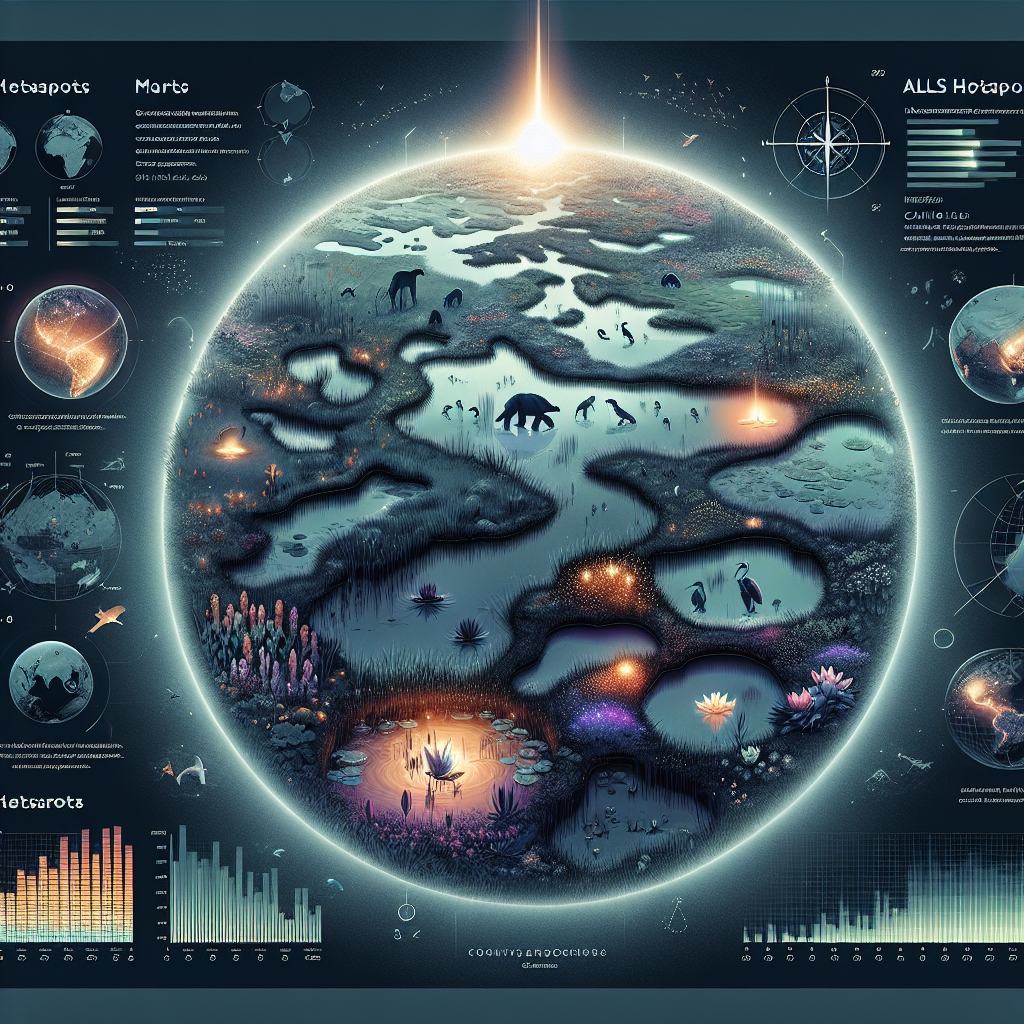
Water bodies wetlands, a crucial component of our ecosystem, have recently garnered attention due to their surprising connection to ALS (Amyotrophic Lateral Sclerosis) hotspots. This neurodegenerative disease, often associated with high-profile cases like that of physicist Stephen Hawking, continues to baffle scientists and healthcare professionals. Recent studies, however, have uncovered an intriguing correlation between ALS incidence and proximity to wetlands. This discovery has sparked a flurry of research aimed at understanding the environmental factors contributing to ALS. Let’s delve into this fascinating topic and explore how our natural environment might influence this puzzling condition.
Understanding ALS: A Brief Overview
ALS, also known as Lou Gehrig’s disease, is a progressive condition that affects nerve cells in the brain and spinal cord. It leads to muscle weakness, disability, and ultimately, life-threatening respiratory problems. The cause of ALS is largely unknown, though genetics play a part in 5-10% of cases. For the remaining majority, environmental factors are suspected contributors.
Scientific research has increasingly focused on geography in the hunt for ALS causes. Mapping ALS hotspots reveals patterns that suggest a possible environmental link.
The Role of Wetlands in Ecosystems
Wetlands are among Earth’s most productive ecosystems. These areas, characterized by water-saturated soils and rich biodiversity, function as natural water filters, flood protectors, and carbon sinks. They provide habitat for various species and supply water resources to humans.
Despite their benefits, wetlands face numerous threats, including pollution, climate change, and human encroachment. Maintaining the balance of these ecosystems is critical for the planet’s health, but what happens when this balance is disrupted?
Unraveling the Mystery: ALS Hotspots and Water Bodies Wetlands
Research involving geospatial mapping has identified clusters of ALS cases, often located near water bodies and wetlands. Scientists believe these areas might harbor environmental toxins or pathogens contributing to the development of ALS.
Potential Environmental Triggers
So, what might be causing these ALS hotspots near wetlands? Several hypotheses exist:
1. Toxic Algal Blooms: Nutrient run-off from agriculture and industry can promote the growth of harmful algal blooms in wetland areas. Some algae produce neurotoxins that could potentially affect human health.
2. Heavy Metals and Pollutants: Industrial activities often introduce heavy metals into waterways. These metals can accumulate in wetland ecosystems and pose risks to humans through bioaccumulation and biomagnification.
3. Pesticides and Chemicals: Run-off carrying pesticides and other agricultural chemicals can affect wetlands. Long-term exposure to these substances has been linked to various health problems, including neurological diseases.
4. Infectious Agents: Wetlands, being biodiversity hotspots, can harbor various pathogens. Some studies have examined the role of infectious agents, like viruses and bacteria, in triggering ALS-related mechanisms.
Ongoing Research and Public Health Implications
The discovery of ALS hotspots around water bodies and wetlands underscores the importance of ongoing research and the need for public health interventions. Understanding the geographic and environmental underpinnings of ALS could lead to new prevention strategies and improved resource allocation for affected communities.
The Importance of Interdisciplinary Collaboration
The intersection of neurology, geography, and environmental science offers promising avenues for ALS research. By collaborating across disciplines, scientists can develop a more comprehensive understanding of the disease’s environmental triggers.
Protecting Wetlands and Human Health
Ensuring the health of wetlands is crucial not only for maintaining biodiversity but also for protecting human health. Several steps can be taken:
1. Stricter Regulation of Pollutants: Implementing tighter controls on the discharge of industrial and agricultural pollutants into waterways can minimize harmful exposures.
2. Restoration Projects: Initiatives aimed at restoring degraded wetlands can improve water quality and reduce the risk of harmful algal blooms.
3. Education and Awareness: Raising public awareness about the impact of human activities on wetlands and potential health risks can foster community action and policy changes.
4. Investing in Research: Sustained funding for research into environmental risk factors for ALS can lead to better prevention and treatment strategies.
The Road Ahead
The linkage between ALS, water bodies, and wetlands opens new directions for research that could unravel one of modern medicine’s great mysteries. As scientists continue to probe these connections, the hope is to develop innovative strategies to combat ALS, ultimately improving the quality of life for those affected.
In conclusion, the shocking revelation of ALS hotspots in proximity to water bodies and wetlands emphasizes the intricate relationship between environment and health. While much remains to be discovered, the urgency of this research carries profound implications for public health, environmental conservation, and scientific inquiry.
For those impacted or seeking more information about their ALS and Real Water case, please visit the contact page at “/contact”. To delve deeper into related articles, check out our blog at “/blog”. For immediate assistance or inquiries, do not hesitate to call us at 702-385-6000.