ALS Workplace Accommodations: Vital & Effortless Solutions
ALS Workplace Adjustments: Navigating a workplace environment can become increasingly challenging for individuals diagnosed with Amyotrophic Lateral Sclerosis (ALS). Understanding the necessary accommodations is crucial not only for the comfort and productivity of those affected but also to foster an inclusive work environment. This article explores various strategies and solutions to facilitate a supportive workplace for employees with ALS, empowering them to continue contributing effectively.
Understanding ALS and Its Impact
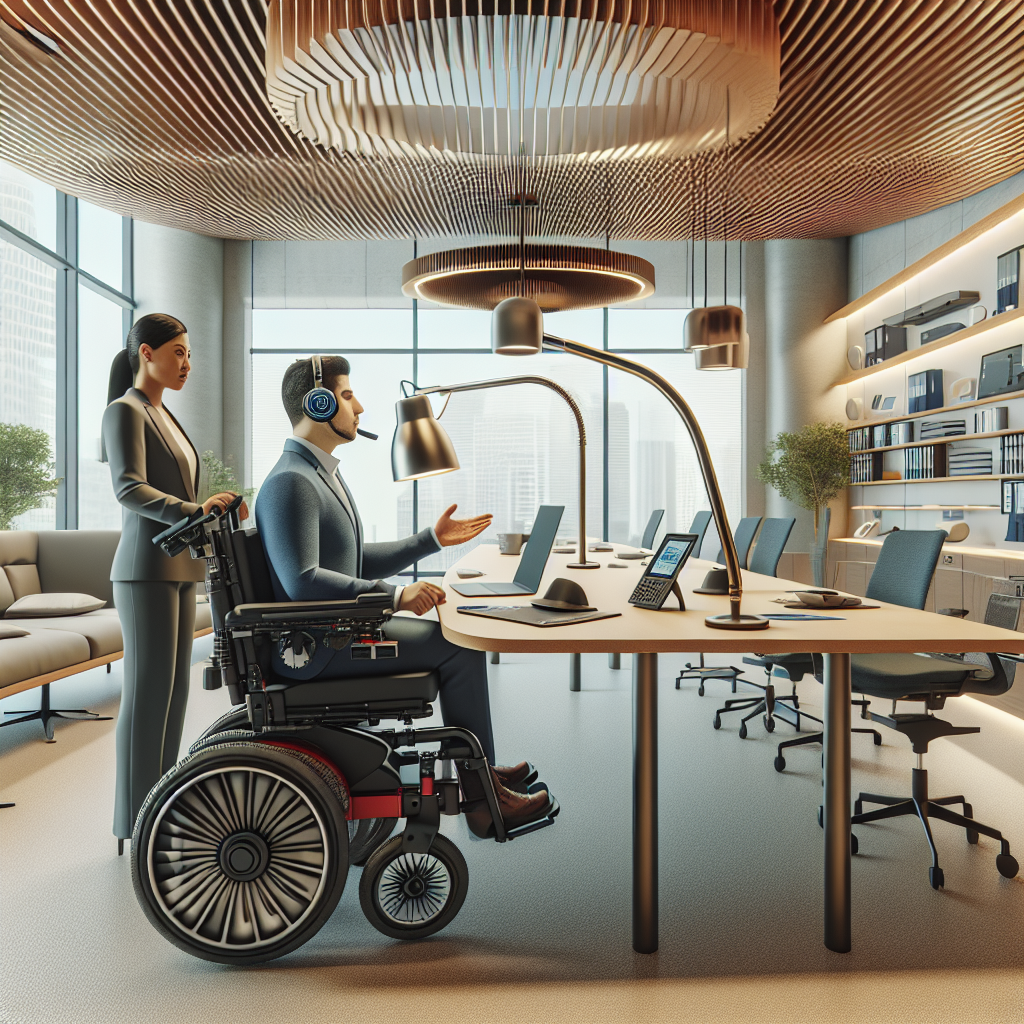
ALS, also known as Lou Gehrig’s disease, is a progressive neurodegenerative condition affecting nerve cells in the brain and spinal cord. This can lead to significant impairments in muscle function, communication, and movement. Given these challenges, appropriate workplace accommodations are essential to ensure employees with ALS can perform their roles safely and comfortably.
The Importance of ALS Workplace Accommodations
Creating an environment that supports employees with ALS involves implementing specific adjustments and assistance measures. Employers must recognize that accommodating these needs isn’t just about compliance but about valuing diversity and inclusion. By doing so, companies can harness the unique contributions of employees with ALS while supporting their well-being.
Identifying Needs and Customizing Solutions
Every ALS diagnosis is unique, and so are the accommodations required. Here’s a step-by-step approach to understanding and implementing effective solutions:
1. Open Communication
Fostering open and ongoing dialogue between the employer and the employee is critical. Discussing the individual’s specific needs regularly can help identify modifications or tools that might be necessary. Employees should feel comfortable expressing their needs without fear of stigma or reprisal.
2. Flexible Work Hours
Fatigue is a common symptom of ALS. Allowing flexible scheduling or remote work options can help employees manage their energy levels and accommodate medical appointments. Such flexibility supports sustained productivity without compromising health.
3. Ergonomic Workspaces
Modifying the workspace can drastically improve comfort and functionality. This might include ergonomic chairs, standing desks, or adaptive keyboards. Evaluating and adjusting the physical workspace ensures it meets the employee’s evolving needs.
4. Assistive Technology
Technological solutions play a pivotal role in facilitating communication and task performance. Voice-recognition software, speech-generating devices, and specialized computer interfaces can enable employees to work efficiently despite physical limitations.
Enhancing Mobility and Accessibility
Facilitating ease of movement within the workplace is vital. Here are several strategies to consider:
1. Accessible Office Layout
Ensure that the office layout is wheelchair-friendly, with wide aisles and doorways. Install ramps and automatic doors to ease mobility challenges. Accessible restrooms and break areas are also crucial for comfort and independence.
2. Transportation Assistance
Transportation can pose significant challenges for those with ALS. Providing options like accessible parking spaces, public transport subsidies, or rideshare services can help employees commute with less stress.
3. Personal Assistance
In some cases, hiring a personal aide or job coach can be beneficial. These assistants can help with daily tasks, allowing employees to focus on their primary job responsibilities.
Legal Considerations and Rights
Employers must understand their legal obligations under the Americans with Disabilities Act (ADA) and similar legislation. This not only ensures compliance but also reinforces a commitment to inclusion and diversity.
Understanding Employer Obligations
The ADA requires employers to provide reasonable accommodations unless doing so would cause undue hardship. Employers must be proactive in exploring and implementing necessary adjustments, working collaboratively with the employee to find solutions that respect both parties’ needs.
Raising Awareness and Training
Educating other employees about ALS and necessary accommodations can foster a culture of empathy and inclusion. Providing training sessions or informational resources ensures that the broader team understands how best to support their colleagues.
Creating a Culture of Support
Beyond physical accommodations, fostering an inclusive workplace culture is essential. This includes practices such as:
1. Promoting Awareness
Organize awareness campaigns or workshops to educate staff about ALS, promoting understanding and empathy. These initiatives can debunk myths and encourage supportive behavior.
2. Building Social Support Networks
Encourage team-building activities and social interactions that include everyone. Creating an environment where employees feel valued and connected can significantly enhance morale and collaboration.
3. Regular Check-ins
Maintain regular check-ins with employees diagnosed with ALS to reassess their evolving needs. This also demonstrates continued commitment and adaptability in supporting their journey.
Conclusion
Accommodating employees with ALS effectively requires a combination of empathy, understanding, and practical adjustments. By prioritizing these accommodations, workplaces not only comply with legal standards but create a more inclusive, productive environment for all.
If you have questions about accommodations for ALS or the Real Water case, you can reach out through our contact page at “/contact”. For more insightful articles, visit our blog page at “/blog”. Feel free to call us directly at 702-385-6000 for immediate assistance.