Bottled Water Microplastics: Shocking Natural Label Suit
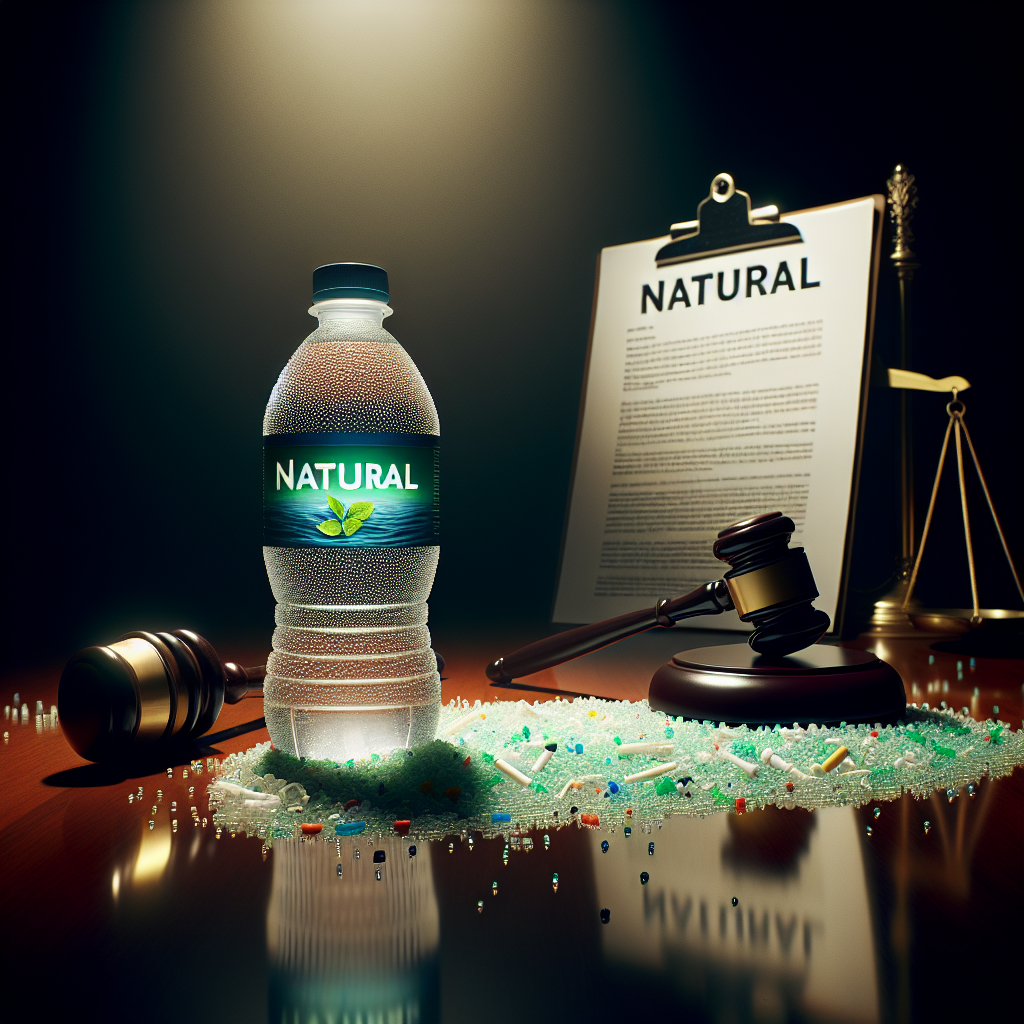
Bottled water microplastics have become a major concern in recent years. Many consumers trust bottled water brands for purity and safety, often opting for those labeled as “natural.” However, recent findings suggest that microplastics are infiltrating even the most trusted brands, sparking a wave of lawsuits challenging the validity of “natural” claims on bottled water products. This revelation begs the question: how widespread is the issue, and what are the implications for both consumers and the industry?
Understanding Microplastics in Bottled Water
Microplastics are tiny plastic particles less than five millimeters in diameter. They originate from various sources, including the breakdown of larger plastic waste, microbeads in personal care products, and synthetic fibers from clothing. These particles are pervasive in the environment, and alarmingly, they have been detected in bottled water.
A landmark study conducted by researchers at the State University of New York in Fredonia revealed that 93% of sampled bottled water from brands worldwide contained microplastic contamination. This staggering statistic has alarmed health experts and consumers alike, prompting a closer examination of how microplastics infiltrate bottled water supplies and the potential health risks they pose.
Microplastics and Health Risks
While research is ongoing, preliminary studies suggest potential health risks associated with ingesting microplastics. Once consumed, these particles may release harmful chemicals into the body. Some polymers used in plastic production are known to leach toxic substances such as bisphenol A (BPA) and phthalates. These chemicals are linked to various health problems, including hormone disruption, reproductive issues, and developmental disorders.
Moreover, microplastics can attract and absorb pollutants like heavy metals and persistent organic pollutants (POPs). When ingested, they may carry these toxins into the human body, potentially causing further health complications. Understanding these risks emphasizes the urgency to regulate microplastics in consumer products, particularly those consumed daily such as bottled water.
The Natural Label Suit: What it Means
The natural label suit arises from a growing concern over misleading labeling practices in the bottled water industry. Brands advertising their products as “natural” face scrutiny if microplastic contamination is present. This suit aims to hold companies accountable for potentially deceptive marketing practices.
Consumers rely on product labels to make informed choices, assuming that “natural” denotes purity and safety. However, the presence of microplastics directly contradicts this perception. The legal actions address not only potential consumer deception but also push for increased transparency and rigorous testing standards within the industry.
The Impact on the Bottled Water Industry
The revelations about microplastics have significant implications for the bottled water industry. This natural label suit may lead to stricter regulations that brands must comply with to maintain their “natural” claims. Companies may need to invest in advanced filtration technologies and enhance their testing protocols to eliminate microplastic contamination effectively.
Furthermore, the industry faces potential reputational damage. As awareness grows, consumers may lose trust in brands previously considered reliable. This shift could affect sales and prompt consumers to seek alternative sources of clean, safe water.
Consumer Actions and Industry Response
As consumers become more informed about bottled water microplastics, they are demanding change. Here’s how you can take action:
– Educate Yourself: Stay informed about the latest research on microplastics and their effects on health through reputable sources.
– Read Labels Carefully: Understand what terms like “natural” and “purified” truly mean in the context of bottled water.
– Support Transparency: Choose brands that disclose their testing procedures and results openly.
– Advocate for Regulations: Call for stricter regulations to ensure the safety and purity of bottled water.
In response, the bottled water industry is beginning to adapt. Several companies are investing in research and development to tackle microplastic contamination. Collaborations with scientists and environmental organizations are underway to create more sustainable and reliable water purification methods.
Looking Ahead: The Future of Bottled Water
The issue of bottled water microplastics highlights a broader challenge of environmental pollution and its impact on human health. As awareness and legal pressures mount, the industry must innovate and evolve. This moment presents an opportunity for bottled water companies to lead by example, setting new standards for purity and transparency.
Call to Action
If you’re concerned about microplastics in your bottled water, now is the time to make your voice heard. Reach out about your ALS and Real Water case through the contact page of the ALS Real Water website. You can also explore more related content on the blog page for further insights and updates. For immediate assistance, call 702-385-6000 and take the first step toward ensuring the safety of your drinking water.
References
– Study Finds Microplastic Contamination in 93% of Bottled Water Tested
– How Do Microplastics Affect Human Health?
– The Problem with Plastics: Are Our Bodies Burdened?