Evian Microplastics: Shocking Bottled Water Claims Exposed
Evian microplastics have become a hot topic of discussion recently, casting doubt on the purity claims often associated with bottled water. As consumers become increasingly conscious of their health and environmental impacts, revelations concerning microplastics in some of the world’s most popular water brands, including Evian, have raised significant alarm. This article delves into the implications of these findings and the broader debate surrounding bottled water purity.
Understanding Microplastics
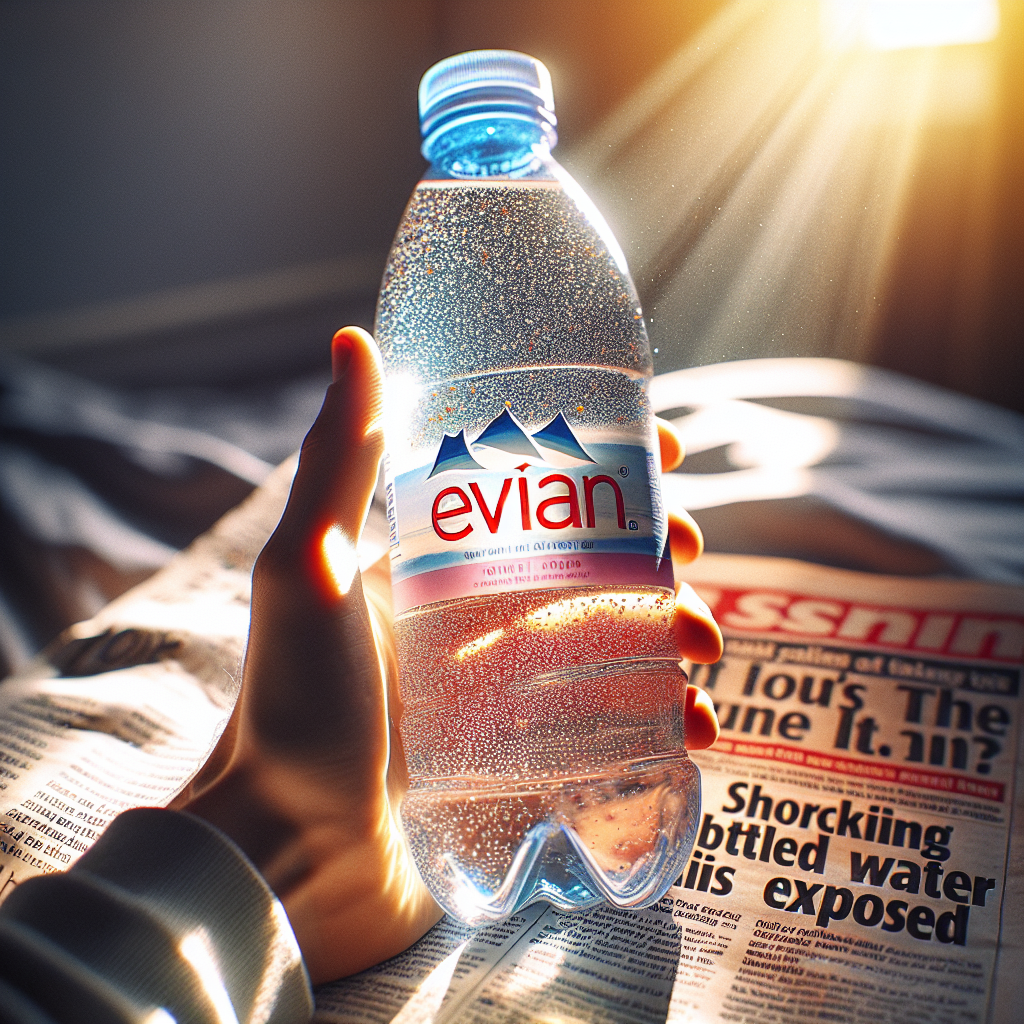
Microplastics are tiny plastic particles less than five millimeters in size. These particles can originate from a variety of sources, including the degradation of larger plastic waste in the environment, synthetic fibers from clothing, or as byproducts of industrial processes. Over time, they accumulate in ecosystems, creating both environmental and health concerns.
The Invasion of Microplastics in Bottled Water
Recent studies have revealed the presence of microplastics in several bottled water brands. This finding challenges the prevailing perception of bottled water as a pure and safe alternative to tap water. Microscopic examinations and chemical analyses have shown that microplastics, ranging from polyethylene to polypropylene, can be found in bottles from major brands, including Evian.
Factors Contributing to Microplastics in Bottled Water
– Production Processes: During the bottling process, tiny plastic particles might break off and contaminate the water.
– Packaging Materials: Bottled water often comes in plastic containers, which can shed microparticles over time, especially when exposed to heat or mechanical stress.
– Environmental Exposure: Plastics in the natural environment can degrade and enter water sources, eventually making their way into bottled water.
Evian’s Bottled Water Purity Claims
Evian has long been marketed as a premium bottled water brand, leveraging its origins from pristine French Alps springs to assert its purity and naturalness. The discovery of microplastics in Evian bottles poses a direct challenge to these claims and has sparked a larger debate about transparency and accountability in the bottled water industry.
Analysis of Purity Claims
Evian’s branding emphasizes its commitment to pure and clean water. However, the presence of microplastics calls these marketing messages into question. While Evian has assured consumers of continuous quality and safety checks, the public demand for more rigorous testing and disclosure has never been higher.
Consumer Reaction and Responsibility
– Demand for Transparency: Consumers are calling for clearer, more detailed information about water source testing and results.
– Increased Scrutiny: With mounting evidence of microplastics, consumers are scrutinizing claims more than ever before, pushing brands to respond with greater transparency.
– Corporate Accountability: Evian and other bottled water producers must take steps to reassure the public of their products’ safety through independent testing and clear communication.
Health Implications of Microplastics
The presence of evian microplastics in bottled water raises health concerns. Although the health impacts of consuming microplastics are not fully understood, some studies suggest potential risks.
Potential Health Risks
– Digestive System: Ingested microplastics could cause physical damage to digestive organs or alter gut flora.
– Chemical Exposure: Microplastics may carry harmful chemicals or pollutants that can leach into the water and be ingested.
– Long-term Effects: The cumulative impact of consuming microplastics over time is not yet known, making it a field ripe for further study.
Environmental Considerations
Beyond personal health, the environmental ramifications of microplastics are broad and troubling. Plastic pollution poses a threat to marine life and ecosystems, where small species ingest microplastics that can then move up the food chain, potentially even affecting human consumers.
Addressing Plastic Pollution
– Reduction Strategies: Companies are exploring ways to reduce plastic usage by developing alternative packaging solutions.
– Recycling and Reuse: Emphasizing recycling and encouraging bottle return programs can help alleviate some of the issues associated with plastic waste.
– Legislative Action: Governments worldwide are instituting regulations to limit plastic production and promote sustainable practices.
Call to Action
With the revelations about evian microplastics, consumers are not only questioning bottled water purity claims but also how they can make informed choices. As the conversation unfolds, it’s crucial for consumers to stay informed and take action to mitigate potential health and environmental impacts.
If you or someone you know has been affected by the Evian revelations or other related issues, reach out about your ALS and Real Water case through the website’s contact page. Stay informed and explore more related content on the website’s blog page. For immediate assistance, call 702-385-6000.
References
– Scientific American: Microplastics Are in Our Bodies. How Much Do They Harm Us?
– World Health Organization: Microplastics in Drinking-water
– National Geographic: How Plastic in Rivers and Oceans Put Microplastics in Drinking Water