Hydrazine Dangers: Understanding the Toxicity Behind Real Water
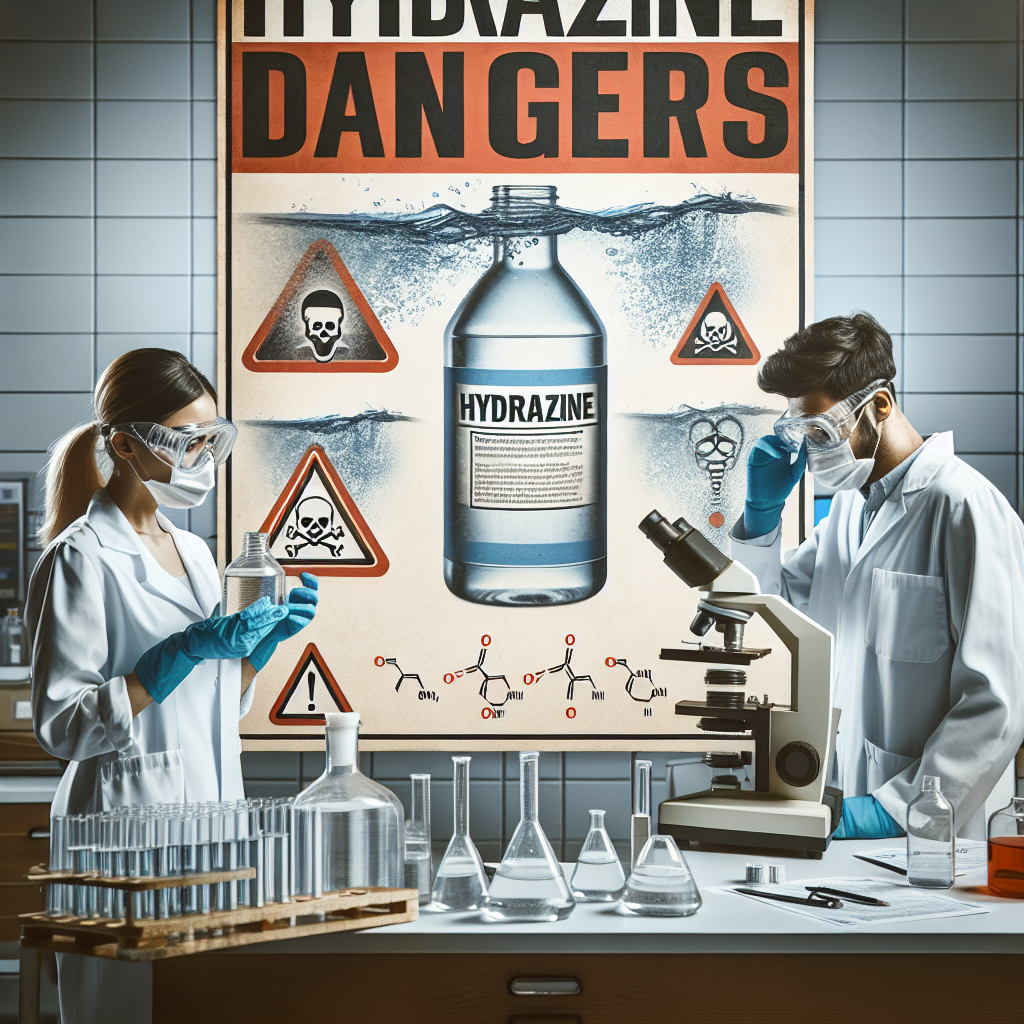
Hydrazine dangers have become a focal point of concern in recent years, particularly as they relate to products like Real Water. This chemical compound has stirred debate and worry due to its potential health implications. Known primarily for its industrial use, hydrazine is a colorless, fuming liquid with a strong ammonia-like odor. While it serves valuable purposes in industries such as pharmaceuticals and aerospace, its dangers in consumer products have raised significant alarm.
Unveiling Hydrazine: What is it?
Hydrazine is a compound made up of nitrogen and hydrogen, bearing the formula N2H4. It is primarily used as a foaming agent in preparing polymer foams and is also employed in rocket fuel. While beneficial in specific contexts, its presence in consumer goods, particularly consumables like water, spells potential hazards to health.
The Link Between Hydrazine and Real Water
The discussion around hydrazine dangers has recently bubbled to the surface in relation to Real Water, a brand of alkaline water that became the subject of scrutiny following reports of severe health issues among consumers. The alleged contamination of Real Water with toxic hydrazine compounds drew regulatory attention, leading to lawsuits and increased awareness of hydrazine toxicity.
Hydrazine Dangers: What Makes It Toxic?
Hydrazine, due to its reactive nature, poses several health risks. The toxicity of hydrazine can be acute or chronic, depending on exposure levels. Here are the primary concerns:
1. Acute Toxicity: Short-term exposure to hydrazine can result in symptoms such as nausea, headaches, dizziness, and irritation of the eyes and respiratory tract. Acute exposure is often due to direct contact or inhalation.
2. Chronic Toxicity: Long-term exposure, even at lower levels, is associated with more severe health issues, including liver, kidney, and central nervous system damage. Chronic exposure can also significantly increase the risk of cancer.
3. Environmental Impact: Beyond human health, hydrazine dangers extend to the ecosystem. Its release into water bodies can be detrimental to aquatic life, disrupting habitats and food chains.
Hydrazine in Consumer Products: A Growing Concern
The application of hydrazine in consumer products, particularly food and beverages, raises significant safety concerns. The case of Real Water underscores the potential consequences of inadequate regulation and oversight in product safety. As consumers, awareness of what goes into our products is crucial for safeguarding health.
Regulatory Actions and Consumer Safety
In response to the alarming reports associated with Real Water, regulatory bodies have stepped in to assess and control the risks posed by hydrazine. The Food and Drug Administration (FDA) and other relevant authorities have enacted measures aimed at mitigating exposure, ensuring that products adhere to safety standards.
Steps Taken:
– Product Recalls: Swift recalls of contaminated products to prevent further harm.
– Regulatory Investigations: Thorough reviews and investigations into manufacturing practices to identify and rectify sources of contamination.
– Public Awareness Campaigns: Informing the public about hydrazine dangers and encouraging careful consumer choices.
Protecting Yourself from Hydrazine Exposure
While regulatory measures are crucial, consumer vigilance also plays a vital role. Here are some practical steps to reduce exposure to hydrazine:
1. Read Labels: Pay attention to ingredient labels and safety notices on consumer products.
2. Stay Informed: Keep abreast of news regarding product recalls and safety alerts.
3. Buy Trusted Brands: Choose products from companies with a strong safety track record and transparent sourcing practices.
Hydrazine Alternatives: Seeking Safety and Sustainability
Given the risks associated with hydrazine, exploring safer alternatives is a pressing need. The scientific community and industries are making strides in discovering and implementing less toxic compounds that serve the same functions as hydrazine without the associated health risks.
Alternatives are being sought in the areas of fuel, food additives, and industrial applications to ensure public and environmental safety. These alternatives aim to provide the same efficiency while minimizing adverse health and ecological impacts.
Conclusion: The Way Forward
The discussions surrounding hydrazine dangers highlight the necessity for stringent safety regulations and heightened public awareness. By understanding the risks and taking action to avoid exposure, we can protect our health and well-being.
Should you have any concerns or questions about ALS, Real Water, or hydrazine toxicity, please do not hesitate to contact us through the links provided on our contact page at “/contact”, discover more informative articles at our blog page “/blog”, or call us directly at 702-385-6000. Your safety and health remain our utmost priority.