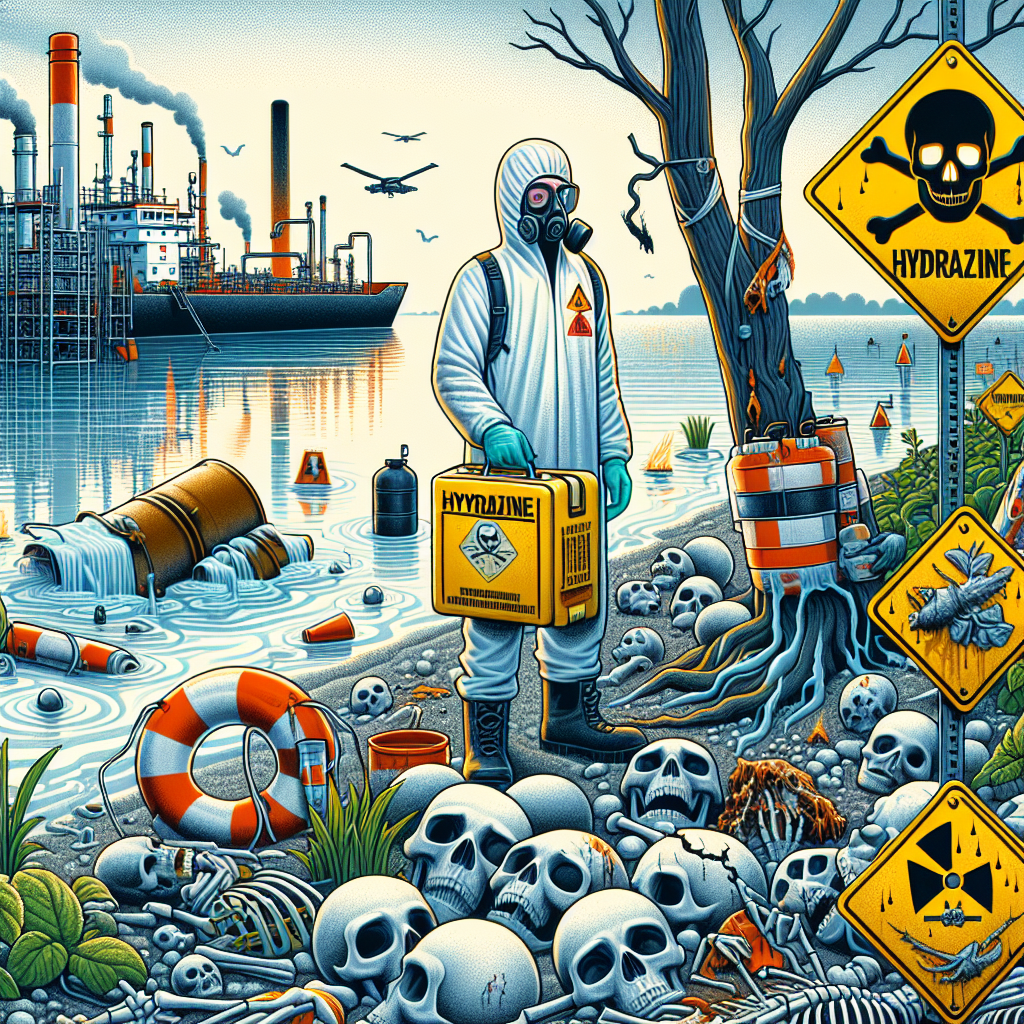
The Unveiled Hydrazine Dangers: Understanding Toxicity and Consequences
Hydrazine dangers have been a subject of increasing concern, as shocking stories of its toxicity emerge. People have been exposed to this volatile compound, often without realizing the full scope of its potential harm. Used in various industrial applications, hydrazine is a colorless, flammable liquid with an ammonia-like odor. Although it plays a crucial role in fuel and agricultural industries, the risks associated with its use cannot be overstated.
A Closer Look at Hydrazine
Hydrazine is primarily utilized in the production of polymers, pharmaceuticals, and agrochemicals. It is also a component in rocket and missile propulsion systems due to its reactive properties. Despite these practical applications, the dangers it poses warrant substantial caution and regulation.
Hydrazine Toxicity: How It Harms
Hydrazine toxicity can manifest in numerous ways, posing significant threats to both human health and the environment. Exposure can occur via inhalation, ingestion, or skin contact, leading to a variety of acute and chronic health issues.
Acute Effects of Exposure
Short-term exposure to hydrazine can be incredibly harmful. Symptoms often include irritation of the eyes, nose, and throat, as well as nausea and vomiting. Severe cases can lead to pulmonary edema, seizures, or even coma. The compound’s corrosive nature means direct skin contact can result in blistering, burns, and severe irritation.
Long-term Health Impacts
Repeated exposure to hydrazine is linked to more serious health concerns. Chronic inhalation or ingestion can damage the liver, kidneys, and central nervous system. There is also growing evidence suggesting that prolonged contact may increase the risk of cancer, particularly lung cancer. The International Agency for Research on Cancer classifies hydrazine as a probable human carcinogen, underlining the necessity for stringent safety measures.
Environmental Impact of Hydrazine
The impact of hydrazine is not limited to humans. It also poses substantial risks to the environment. Due to its solubility and volatility, hydrazine can contaminate air, water, and soil, affecting wildlife and ecosystems. Aquatic organisms are particularly susceptible, as the compound can disrupt biological processes at relatively low concentrations.
Shocking Toxicity Stories: Real-life Incidents
To truly grasp the severity of hydrazine dangers, examining real-life incidents is crucial. Several case studies highlight the devastation caused by inadequate handling and exposure.
The Rocket Fuel Incident
One of the most notorious incidents involving hydrazine occurred at a rocket fuel manufacturing plant. Workers were exposed to excessive concentrations due to a failure in the ventilation system. Numerous employees experienced acute symptoms, with some requiring hospitalization. The incident underscored the critical need for effective safety protocols in environments where hydrazine is present.
Industrial Pollution Case
In another alarming case, a factory failed to properly manage its waste, leading to hydrazine leakage into a nearby river. The local aquatic life suffered dramatically, with significant fish kills reported. This incident highlighted the compound’s ability to cause long-lasting ecological damage, prompting stricter environmental regulations and monitoring.
Occupational Safety and Prevention
Given the evident hydrazine dangers, it is essential for industries to adhere to stringent safety standards. Protective equipment, such as gloves, masks, and suits, should be mandatory in any environment where hydrazine is present. Additionally, proper training and emergency protocols can significantly reduce risks.
Regulatory Measures
Government agencies worldwide have established regulations to mitigate hydrazine exposure. This includes setting permissible exposure limits and mandating regular monitoring in workplaces. Employers must ensure comprehensive understanding and enforcement of these guidelines to protect their workers and the surrounding community.
Managing Accidental Exposure
In the event of accidental exposure, immediate action is critical. Those affected should remove contaminated clothing, wash exposed skin thoroughly with soap and water, and seek medical attention. Inhalation incidents require fresh air access and medical evaluation. Quick and appropriate responses can be life-saving.
Moving Forward: Awareness and Education
Raising awareness about hydrazine toxicity and its potential hazards is vital in preventing future incidents. Educational programs targeting industries and communities at risk can foster a culture of safety. Public campaigns highlighting the environmental impact can also drive more sustainable industrial practices.
Conclusion: Protecting Ourselves and Future Generations
Understanding the dangers linked to hydrazine is crucial in safeguarding both human and environmental health. By recognizing the symptoms of exposure, upholding strict safety protocols, and adhering to regulatory requirements, the potential for harm can be significantly reduced. Individuals and organizations must remain vigilant in their efforts to mitigate these risks.
For those affected or concerned about hydrazine, particularly in relation to ALS and Real Water cases, reaching out for help and information is essential. You can find contact resources at our /contact page, explore further insights on our /blog, or connect with us by calling 702-385-6000.