Lifewtr PFAS Lawsuit: What You Need to Know
The Lifewtr PFAS lawsuit has become a significant point of discussion as public awareness of environmental and health implications grows. This lawsuit revolves around allegations that PepsiCo’s bottled water brand, Lifewtr, contains Per- and Polyfluoroalkyl Substances (PFAS). Understanding these claims is crucial as they highlight broader concerns about consumer safety, corporate responsibility, and environmental protection.
What are PFAS and Their Impact?
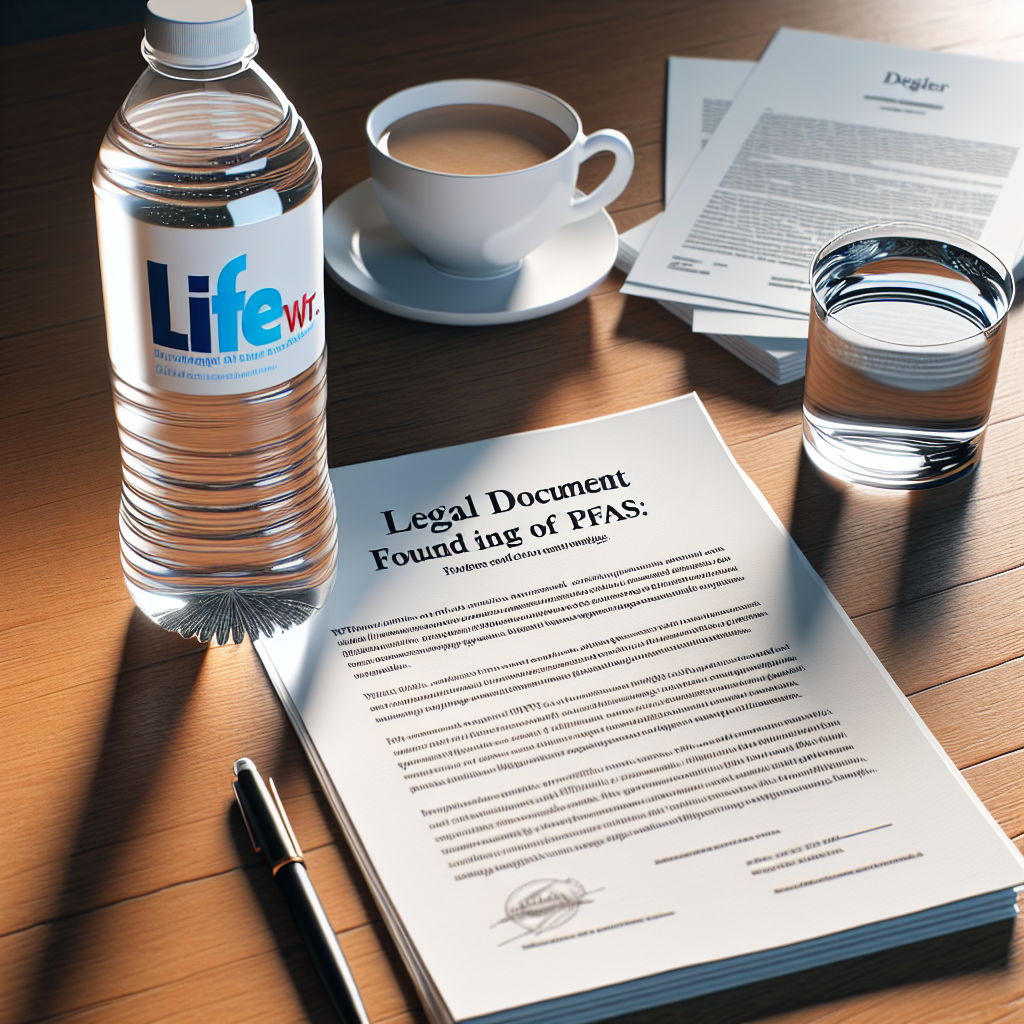
PFAS, commonly known as “forever chemicals,” are synthetic compounds found in various consumer and industrial products. They are infamous for their persistence in the environment and potential health risks. Commonly used for their resistance to heat, water, and oil, PFAS can be found in products like nonstick cookware, water-repellent clothing, and food packaging.
Health Risks Associated with PFAS
– Cancer Risk: Some studies suggest a link between PFAS exposure and certain types of cancer, including kidney and testicular cancer.
– Developmental Issues: PFAS may contribute to developmental problems in children, affecting growth, learning, and behavior.
– Immune System: Research indicates potential effects on the immune system, possibly reducing the effectiveness of vaccines.
– Other Health Concerns: There are also correlations with hormone disruption, increased cholesterol levels, and liver damage.
The Allegations Against PepsiCo
The lawsuit targets the corporate giant, claiming that their Lifewtr brand contains unsafe levels of PFAS. Consumers and environmental groups have demanded accountability and transparency, urging PepsiCo to disclose information about their water sources and the presence of these chemicals.
How the Lawsuit Unfolded
This legal battle began when independent studies revealed detectable levels of PFAS in Lifewtr. Critics argue PepsiCo should have taken proactive measures to address potential contamination. Legal experts contend the company’s responsibility to ensure product safety aligns with consumer trust and environmental stewardship.
PepsiCo’s Response
In response, PepsiCo has asserted its commitment to product safety, emphasizing ongoing efforts to monitor and manage PFAS levels within acceptable safety standards. The company highlights their use of rigorous testing protocols to maintain compliance with regulations.
Implications of the Lifewtr PFAS Lawsuit
The Lifewtr PFAS lawsuit raises significant questions about corporate responsibility, regulatory oversight, and consumer rights. It underscores the need for stricter regulations and better enforcement to prevent similar issues in the future.
Consumer Awareness and Corporate Transparency
– Informed Purchases: The lawsuit highlights the importance of consumers understanding the products they purchase. Awareness can lead to more informed decisions, fostering demand for cleaner, safer alternatives.
– Corporate Responsibility: Companies are under increased scrutiny to maintain transparency about ingredients and manufacturing processes. Ethical practices and open communication build consumer trust.
Regulatory Changes
Policymakers may feel increased pressure to impose stricter regulations on PFAS usage and mandate greater corporate disclosure. This could lead to the development of more comprehensive guidelines, ensuring consumer safety and environmental protection.
The Future of Bottled Water
Amidst these revelations, the bottled water industry may face transformative changes. With increased awareness of PFAS and other contaminants, consumers are likely to demand more from their bottled water brands.
Industry Innovation
Manufacturers might need to innovate to satisfy consumers’ desire for safer products. This could lead to advancements in filtration technologies and more stringent quality control measures.
Environmental Considerations
The environmental impact of bottled water remains a critical concern. The industry faces pressure not only to deliver safe products but to adopt sustainable practices. Reducing plastic use, improving recycling efforts, and minimizing water usage during production are areas requiring urgent attention.
How Consumers Can Protect Themselves
In light of the Lifewtr PFAS lawsuit, consumers are encouraged to be proactive about their health and safety. Here are some steps to consider:
– Research Brands: Choose bottled water brands with a proven track record of safety and transparency.
– Use Filtration Systems: Consider investing in home water filters capable of reducing PFAS levels.
– Stay Informed: Keep up to date with the latest research and regulatory changes concerning PFAS and other contaminants.
Conclusion
The Lifewtr PFAS lawsuit not only draws attention to the presence of harmful chemicals in consumer products but also advocates for a more informed and proactive society. Both consumers and companies have roles to play in ensuring safer, more environmentally sound products.
For those affected or interested in pursuing more information, you can reach out about your ALS and Real Water case through the ALS & Real Water NV contact page. To further explore related content, visit the ALS & Real Water NV blog. For immediate assistance, feel free to call 702-385-6000.
References
– Understanding PFAS: Health and Environmental Impact
– The Hidden Danger of “Forever Chemicals”
– Other Hazardous Effects of PFAS