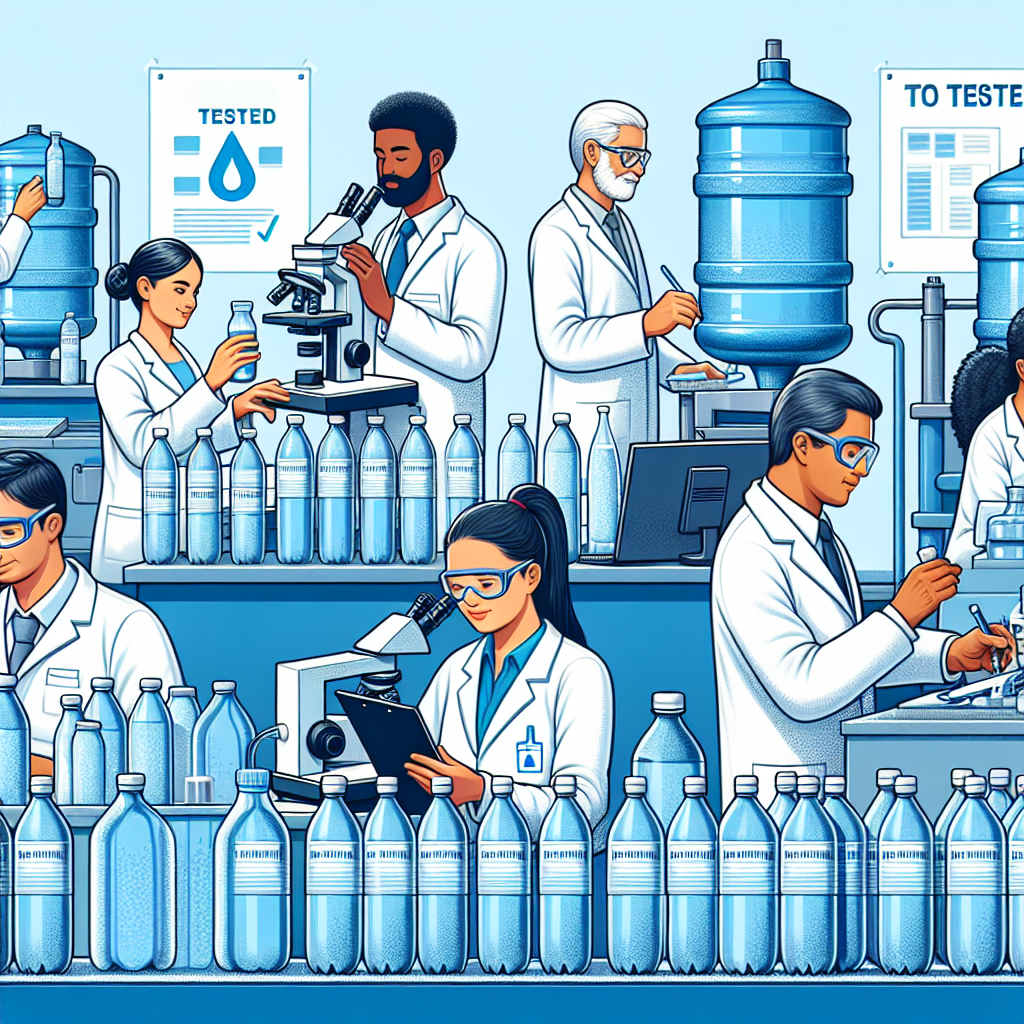
Prevention of Regulatory Failures: Ensuring Safe Bottled Water
Waterborne illnesses are a significant concern in the realm of public health, with unsafe drinking water posing a serious threat to individuals worldwide. This pressing issue highlights the critical need for strict regulations and oversight to ensure the safety of bottled water, a widely consumed source of hydration. By implementing robust preventive measures and addressing regulatory failures, the goal of safeguarding public health and preventing waterborne illnesses can be achieved effectively.
The Importance of Regulatory Oversight
Regulatory oversight plays a crucial role in safeguarding the quality of bottled water and protecting consumers from potential health risks. The presence of stringent regulations ensures that bottled water meets specific safety and quality standards, minimizing the risk of contamination and the spread of waterborne illnesses. Regulatory agencies, such as the Food and Drug Administration (FDA) in the United States, are tasked with monitoring and enforcing these regulations to uphold the integrity of the bottled water industry.
Challenges and Regulatory Failures
Despite the existence of regulatory frameworks, challenges and failures in ensuring the safety of bottled water persist. Inadequate monitoring, lax enforcement, and loopholes in regulations can leave room for contamination and compromised water quality. Regulatory failures may result in the presence of harmful pathogens or chemicals in bottled water, increasing the likelihood of waterborne illnesses among consumers. Addressing these challenges requires a proactive approach to strengthen regulatory oversight and prevent lapses in safety standards.
Enhancing Preventive Measures
To combat regulatory failures and prevent waterborne illnesses, proactive preventive measures must be implemented throughout the bottled water supply chain. This includes stringent testing protocols, regular monitoring of water sources, and comprehensive quality control measures at every stage of production and distribution. By adopting a preventive approach, potential risks can be identified and mitigated before they pose a threat to public health, ensuring the safety of bottled water for consumption.
Role of Stakeholders in Ensuring Safety
Stakeholders across the bottled water industry, including manufacturers, distributors, regulatory agencies, and consumers, play a vital role in ensuring the safety of bottled water. Manufacturers must adhere to strict quality control standards and compliance with regulations to uphold the integrity of their products. Distributors are responsible for proper storage and handling of bottled water to prevent contamination during transportation. Regulatory agencies must enforce regulations effectively and address any compliance issues promptly. Consumers, on the other hand, should be vigilant in choosing reputable brands and checking for quality certifications when purchasing bottled water.
Conclusion
In conclusion, the prevention of regulatory failures and ensuring the safety of bottled water are paramount in protecting public health and mitigating the risks of waterborne illnesses. By enhancing preventive measures, addressing regulatory challenges, and promoting collective efforts among stakeholders, the quality and safety of bottled water can be upheld to safeguard consumers. Strict adherence to regulations, proactive monitoring, and continuous improvement are essential components in the fight against waterborne illnesses. It is imperative to prioritize public health concerns and work together to strengthen regulatory oversight in the bottled water industry.
For legal consultation regarding regulatory compliance and public health issues related to bottled water, contact Kemp Jones Law Offices using the form on our contact page.