SO2 Pollutants Water: Discover Must-Know Dangers!
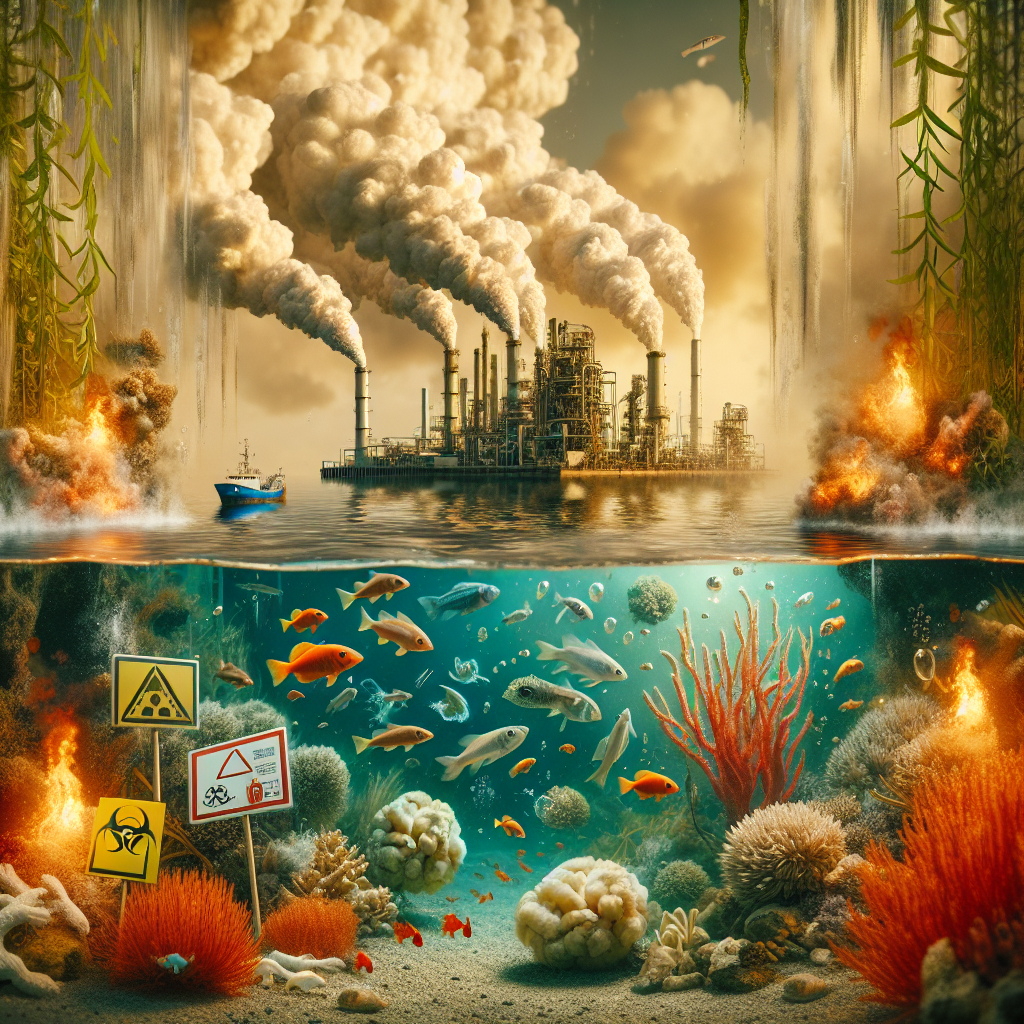
SO2 pollutants in water are becoming an increasing concern for environmentalists, scientists, and the general public. As our understanding of these pollutants deepens, it becomes crucial to explore their sources, impacts, and implications for human health, particularly their potential connection to neurological conditions such as ALS. This comprehensive article aims to shed light on SO2 pollutants in our water systems, their consequences, and ongoing research efforts.
What Are SO2 Pollutants?
Sulfur dioxide (SO2) is a colorless gas that is one of the most significant contributors to air and water pollution. Generated primarily from the burning of fossil fuels in power plants and industrial facilities, SO2 can also arise from natural sources like volcanic eruptions. When these pollutants enter the atmosphere, they can transform into acidic compounds and subsequently find their way into water systems through precipitation.
Sources of SO2 Pollutants in Water
Understanding where SO2 pollutants in water originate is crucial for developing strategies to combat their spread. The following are the primary sources:
1. Industrial Emissions: Power plants and factories are major emitters of SO2. When released into the air, this gas can combine with moisture, leading to acid rain that contaminates water sources.
2. Automobile Exhausts: Vehicles burning sulfur-rich fuels contribute to sulfur dioxide levels. While strides have been made in reducing emissions with cleaner fuel standards, the remnants of past practices continue to affect water quality.
3. Volcanic Activity: Although less frequent, volcanic eruptions release significant amounts of SO2, sometimes contributing to local water pollution, especially if water bodies are nearby.
Impact of SO2 Pollutants on Water and Ecosystems
The entry of SO2 into water bodies can have far-reaching effects on aquatic life and broader ecosystems.
Acidification of Water Bodies
One of the most visible effects is the acidification of lakes and rivers. Increased acidity can lead to the following:
– Altered Aquatic Life: Fish and amphibians suffer as lower pH levels disrupt their reproductive cycles and physiological functions.
– Biodiversity Loss: Certain species cannot survive in more acidic environments, leading to diminished biodiversity.
Ecosystem Imbalance
The introduction of SO2-based acids affects not just water but also soil and vegetation:
– Nutrient Depletion: Acidification can leach essential minerals from the soil, affecting plant growth and, consequently, the animals that depend on these plants.
– Microorganism Damage: Beneficial bacteria and other microorganisms in water and soil are often sensitive to pH changes, which can upset entire ecosystems.
Human Health Concerns Linked to SO2 Pollutants in Water
The ramifications of SO2 pollutants in water extend beyond ecological damage to potentially severe health issues for humans.
Respiratory Issues
When water sources are contaminated with SO2, the risk of respiratory conditions, such as asthma and bronchitis, may increase. The inhalation of droplets or vapor from polluted water can exacerbate these conditions.
Implications for ALS Research
Research into amyotrophic lateral sclerosis (ALS) has explored environmental factors, including pollutants like SO2, as potential contributors to disease onset and progression. While findings are preliminary, scientists consider the following:
– Toxicity and Neurodegeneration: SO2 can potentially induce oxidative stress—a condition linked to neurodegeneration.
– Exposure Pathways: Understanding how people might be exposed to harmful levels of SO2 in water can help researchers identify connections and protect at-risk populations.
Current Mitigation Efforts
Efforts to reduce and control SO2 pollution in water are ongoing, with a focus on several key strategies:
Regulation and Policy
Governments worldwide have implemented policies to limit SO2 emissions through industrial regulations and emissions standards for vehicles. Future policy directions may include:
– Stricter Emission Caps: Introducing lower allowable limits for industries to reduce overall pollution.
– Incentives for Clean Energy: Encouraging shifts to renewable energy sources that do not produce SO2.
Technological Innovations
Advancements in technology provide additional solutions, such as:
– Scrubbing Technology: Devices installed in factories that trap SO2 before it escapes into the atmosphere.
– Desulfurization Processes: Methods to remove sulfur from fuel before it is used, significantly reducing emissions.
Future Directions in Research and Policy
Ongoing research is vital to improving our understanding of the complexities surrounding SO2 pollutants in water. Areas that require attention include:
– Long-Term Health Studies: Investigating the chronic impacts of low-level exposure on human health, providing clearer links to conditions like ALS.
– Monitoring and Reporting: Developing comprehensive monitoring systems to track SO2 levels in water, facilitating timely interventions.
Conclusion
SO2 pollutants in water pose a multifaceted challenge with serious implications for ecosystems and human health. Proactive measures and continued research are essential to mitigate these dangers and create safer environments.
If you have concerns regarding ALS and Real Water cases, we encourage you to reach out by visiting our contact page at “/contact”. To explore more articles, head over to our blog at “/blog”, or call us directly at 702-385-6000.